
Wine region · Urlati, Prahova
Dealu Mare Wine Region
- 38 km to Dracula Land
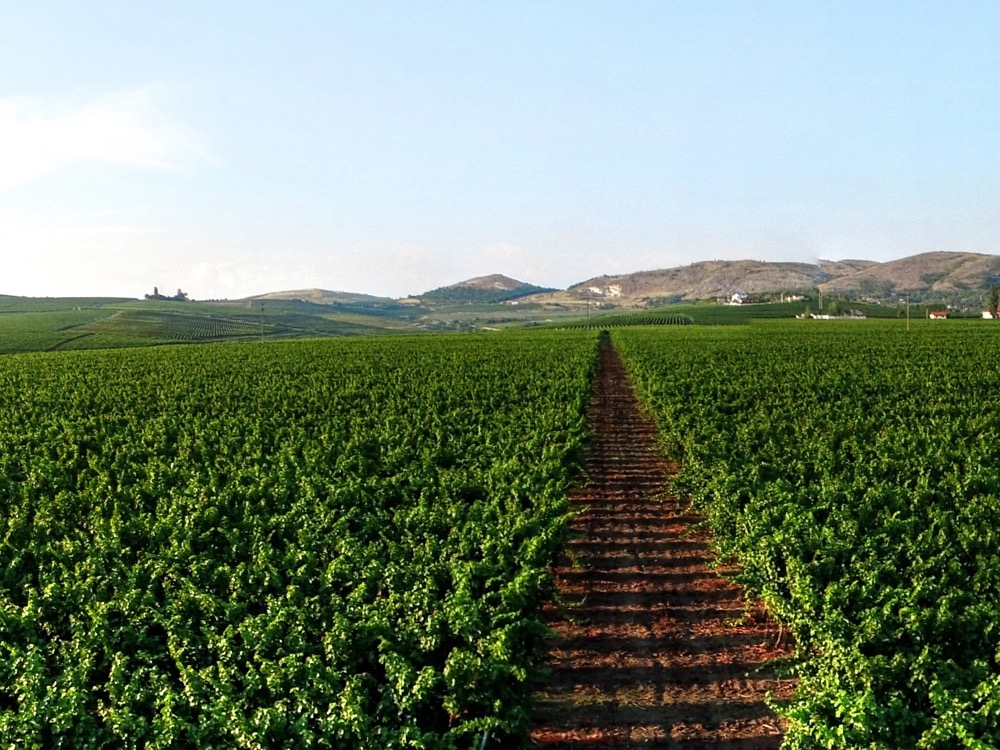
Photo source: Andrei Dobre, CC BY-SA 4.0 / Wikimedia Commons
About Dealu Mare Wine Region
One of the best-known wine regions in Romania, between Urlati and Ceptura. Many wineries offer tastings, usually by appointment. About 38 km from Dracula Land.
5 min read
The closest attraction to Dracula Land is not a castle or a mountain, but a wine region. Just 38 kilometres from Gherghita begins Dealu Mare, one of the best-known wine regions in Romania, often called "the Bordeaux of Romania". Vine-covered hills, old manor houses and modern wineries make it a perfect half-day or full-day trip.
Where it is
The wine region stretches along the southern slopes of the hills at the Carpathian Bend, between the Teleajen river to the west and the Buzau river to the east, in Prahova and Buzau counties. It is about 65–70 kilometres long and 3 to 12 kilometres wide, with almost 15,000 hectares of vineyards, according to figures published in the specialist press.
The main wine centres are Boldesti, Valea Calugareasca, Urlati, Ceptura, Tohani, Cricov, Breaza, Pietroasa, Merei and Zoresti. The closest to Gherghita are Valea Calugareasca, Urlati and Ceptura, less than an hour's drive away.
Why it is called "the Bordeaux of Romania"
Dealu Mare lies around the 45th parallel, the same latitude as the Bordeaux region in France. The hills face south, get plenty of sun and are sheltered from cold winds by the mountains. Specialists speak of a microclimate with Mediterranean influences, where even fig and almond trees grow, and of about 14 more days of sunshine a year than in other parts of the country. The soils are fertile, loamy and sandy, particularly suited to red wines.
The grape varieties
Dealu Mare is known above all for its red wines:
- Feteasca Neagra, the region's emblematic Romanian variety
- Cabernet Sauvignon, Merlot and Pinot Noir
- Burgund Mare and other rarer varieties
Good white and aromatic wines are also made: Feteasca Alba, Feteasca Regala, Riesling, Sauvignon Blanc, Chardonnay, Muscat Ottonel and Tamaioasa Romaneasca, for which the Pietroasa centre is renowned, especially for sweet wines.
More than five centuries of history
Vines have been grown here for a very long time. Some historians trace the region's beginnings back to antiquity, and nearby, at Pietroasa, the famous "Hen with the Golden Chicks" treasure, dated to the 4th century, was discovered in 1837.
Written records begin in the 15th century: in 1464 part of the village of Calugareni belonged to Snagov Monastery, and in 1492 the vineyards of Bucov are mentioned. At the end of the 17th century, the ruler Constantin Brancoveanu built a church, a winery and a manor house at Tohani in 1692, and at Urlati he had a residence surrounded by vineyards, still known today as Via Domneasca (the Princely Vineyard).
At the end of the 19th century, phylloxera destroyed much of Europe's vineyards, including those of Dealu Mare. The response came from right here: a vine nursery was founded at Pietroasa in 1893, and in 1950 the experimental station at Valea Calugareasca, today the Research and Development Institute for Viticulture and Winemaking, one of the most important in the country.
Between the wars, wines from the area were served at Casa Capsa in Bucharest, many of them from the lawyer Nicolae Basilescu, who owned vineyards at Urlati and Pietroasele. After 1989, investment in new vineyards and modern wineries brought the region back to the attention of wine lovers.
The Wine Route and wineries that welcome visitors
The Wine Route (Drumul Vinului) runs through the region, a tourist route through about 13 villages and towns, including Urlati, Ceptura, Tohani and Valea Calugareasca, with manor houses, princely courts and monasteries. Many well-known wineries operate in the area, from large producers to family wineries, and some of them organise visits and tastings, some with a traditional meal or accommodation.
A few tips for a successful tasting:
- book in advance: most wineries only welcome visitors by appointment;
- choose two, at most three wineries in a day, so you have time to enjoy each one;
- decide who is driving: the driver does not drink, or use an organised transfer;
- ask about packages with food: many wineries serve cheeses, cold cuts or local dishes alongside the wine.
When to go
- In spring the vines bud, and the hills are green and quiet.
- In summer the rows of vines are in full leaf, as in the photo above.
- September and October are the harvest months, the best time for a visit: many wineries hold events and open days.
- In winter tastings continue in the cellars, even if the landscape is duller.
One-day itinerary
- 10:00 – leave Gherghita for Valea Calugareasca
- 10:45 – the first winery, with a cellar visit and tasting
- 12:30 – Urlati or Ceptura, a second winery, with a traditional meal
- 15:00 – Tohani and the traces of its Brancoveanu past
- 17:00 – back to your accommodation, with a driver who has not tasted the wine
How to get there from Dracula Land
The distance from Gherghita to the Urlati area is about 38 km, around 45 minutes. Head north on county roads to the DN1B, the Ploiesti – Buzau road, which runs right along the foot of the vine-covered hills. From the DN1B, drive up to Valea Calugareasca, Urlati, Ceptura or Tohani, depending on the winery you have chosen.
Combine the trip
Dealu Mare combines easily with half a day at the Slanic Salt Mine, a visit to the Mud Volcanoes in Buzau county or the drive to Cheia Resort, along the Teleajen Valley.
Sources
- Agerpres – Romanian viticulture: the Dealu Mare wine region (in Romanian)
- Adevarul – Why Dealu Mare is called the "Bordeaux" of Romania (in Romanian)
- Wikipedia – Dealu Mare wine region (in Romanian)
Where to stay
Dealu Mare is the shortest trip from the Dracula Land area. After a day of tastings, rest in quiet accommodation near Dracula Land, in and around Gherghita.
Location
Nearby
 Restaurant20,9 km
 Dracula Land Theme Park21,6 km
- Slanic Prahova Salt Mine35,5 km
- Therme Bucharest44,5 km
- Mud Volcanoes55,5 km