
Attractions · 24.10.2026 · 15 min read
The history of Dracula: Vlad the Impaler, the man behind the legend
The full story of Dracula in Romania: Vlad the Impaler, son of Vlad Dracul, his years as a hostage of the Ottomans, his three reigns, the Night Attack, the stakes, his captivity, his mysterious death and how a Wallachian prince became the most famous vampire in the world.
For the rest of the world, Dracula is a vampire from Transylvania. For Romanians, Dracula was a real man: Vlad III, Prince of Wallachia in the 15th century, known today as Vlad the Impaler (Vlad Tepes). He lived only about 45 years, reigned three times, fought the most powerful empire of his age and left behind a reputation so dark that, four centuries later, an Irish writer borrowed his name for the best-known horror character in history.
Here is his story in full: where the name comes from, what really happened, what is legend and where you can see the places linked to Dracula in Romania today.
We know about Vlad's life from documents of the time, from his own letters and from chronicles written by contemporaries, many of them hostile to him. Some figures and events are therefore uncertain; we have marked in the text what is historical fact and what is tradition or legend.
In short
- Name: Vlad III, called Draculea (son of Dracul) in his lifetime and Tepes (the Impaler) after his death.
- Born: around 1431, according to tradition in Sighisoara.
- Ruled Wallachia: in 1448, from 1456 to 1462 and in 1476.
- Capital: Targoviste; the first written mention of Bucharest (1459) dates from his reign.
- Best-known episode: the Night Attack of June 1462 on the camp of Sultan Mehmed II.
- Died: at the end of 1476 or the start of 1477, near Bucharest; his grave has never been found.
- Became a vampire: only in 1897, in Bram Stoker's novel "Dracula".
Where the name Dracula comes from
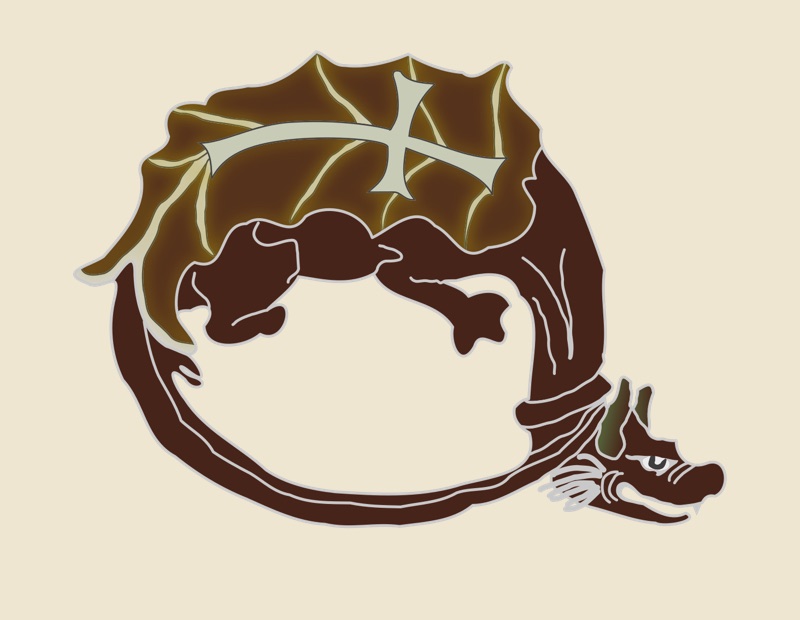
The story of the name begins with his father, Vlad II. In 1431, in Nuremberg, he was admitted to the Order of the Dragon, a chivalric order founded in 1408 by King Sigismund of Luxembourg to defend Christendom against the Ottoman Empire. From then on Vlad II was known as Vlad Dracul, "Vlad the Dragon": in the Romanian of the time, "drac" came from the Latin *draco*, dragon.
His son was called Draculea, "the son of Dracul", and he signed some documents with that name himself. Only later, when the word "drac" came to mean mostly "devil", did the name take on the sinister meaning we know today.
He never used the name Tepes, "the Impaler", during his lifetime. It appeared in Romanian documents a few decades after his death, while the Turks called him Kaziklu Bey, "the Impaler Prince".
Childhood: Sighisoara and the years as a hostage
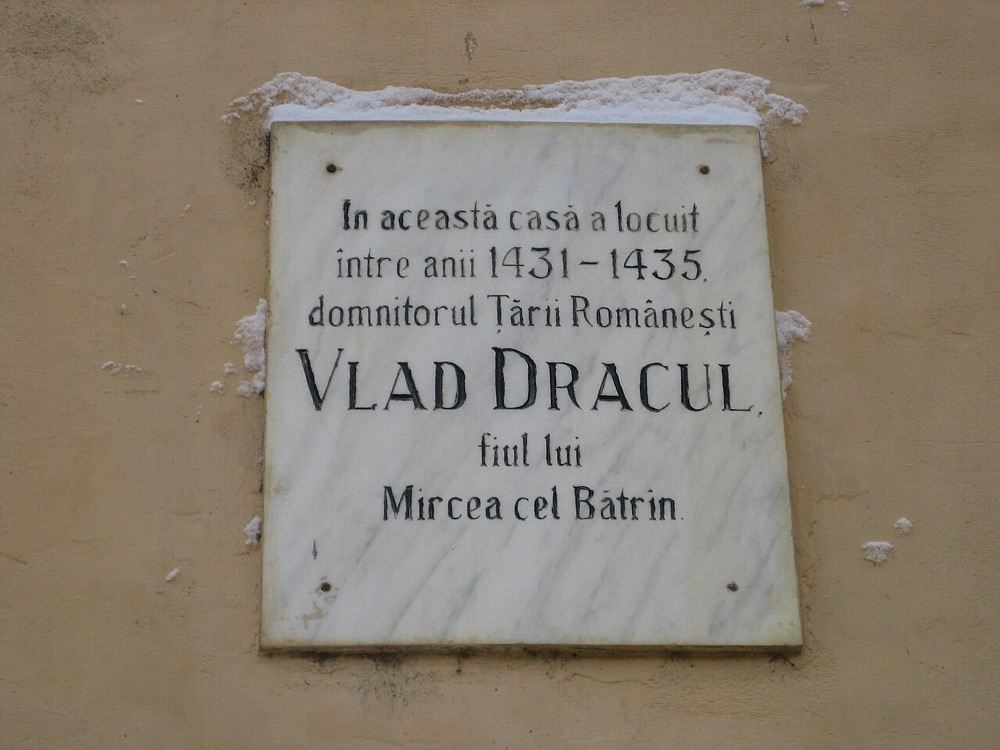
Tradition says Vlad was born around 1431 in Sighisoara, in the house where his father lived between 1431 and 1435, while in exile in Transylvania. The house, on the citadel square, still carries a plaque and a name: the House of Vlad Dracul.
Wallachia was caught between two great powers: the Kingdom of Hungary and the Ottoman Empire. To keep his throne, Vlad Dracul had to pay tribute to the sultan, and around 1442 he left two of his sons, Vlad and his younger brother Radu, as hostages at the Ottoman court, as a guarantee of his loyalty.
The years with the Ottomans marked Vlad. He learned Turkish, came to know the Ottoman army and the Ottoman way of doing politics and, by all accounts, was left with a deep hatred of them. His brother Radu chose the opposite path: he grew close to the sultan's court and went down in history as Radu the Handsome, Vlad's future rival for the throne.
In 1447, while the sons were still hostages, Vlad Dracul was killed and his eldest son, Mircea, was murdered by boyars in Targoviste. Tradition says Mircea was buried alive, and that Vlad later took terrible revenge on the boyars responsible.
A first reign of a few weeks (1448)
In the autumn of 1448, with Ottoman support, the young Vlad took the throne of Wallachia for the first time. The reign lasted only a few weeks: he withdrew when the claimant backed by John Hunyadi returned. Years of exile followed, in Moldavia and Transylvania, during which he ended up, paradoxically, in the camp of Hunyadi, his family's former enemy.
The second reign (1456–1462): Targoviste and the Impaler's law
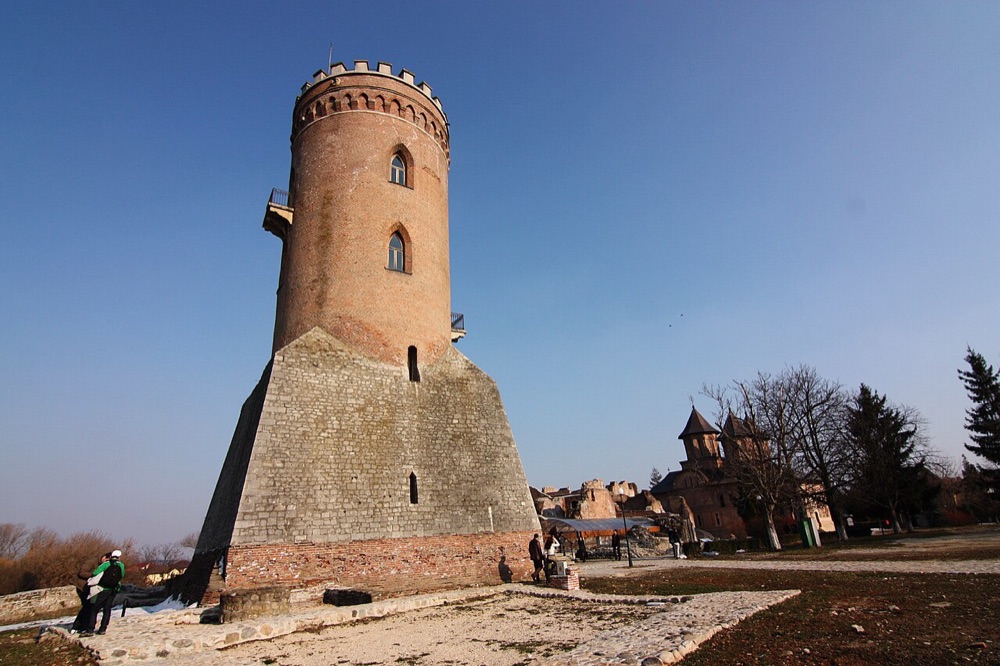
In 1456 Vlad returned to the throne and ruled for six years, the period for which he is remembered. The capital was Targoviste, home of the Princely Court. The Chindia Tower, which still rises above the ruins, is linked to his name by tradition, although its present form comes from later rebuilding.
Vlad ruled with a harshness that was extreme even for his time. He wanted to strengthen the prince's authority over the boyars, who changed rulers to suit their interests, and he punished theft, fraud and treason without mercy. His favourite punishment was impalement, a slow and terrible execution used by others in that age too, but by no one on his scale.
The best-known stories about him come from this period:
- The golden cup at the fountain. It is said that Vlad left a golden cup by a fountain in Targoviste so that anyone could drink from it, and that no one dared to steal it as long as he lived.
- The boyars of Poenari. According to the chronicles, Vlad punished the boyars guilty of the deaths of his father and brother by making them work on rebuilding the fortress of Poenari.
- The poor and the beggars. One story says he invited the country's beggars to a feast and then set fire to the house, to "rid the country of poverty". It comes from German pamphlets hostile to him and should be read with caution.
Many of these stories cannot be verified. What is certain is that Vlad was feared and that, for a few years, order in his country was imposed through fear.
Bucharest enters history
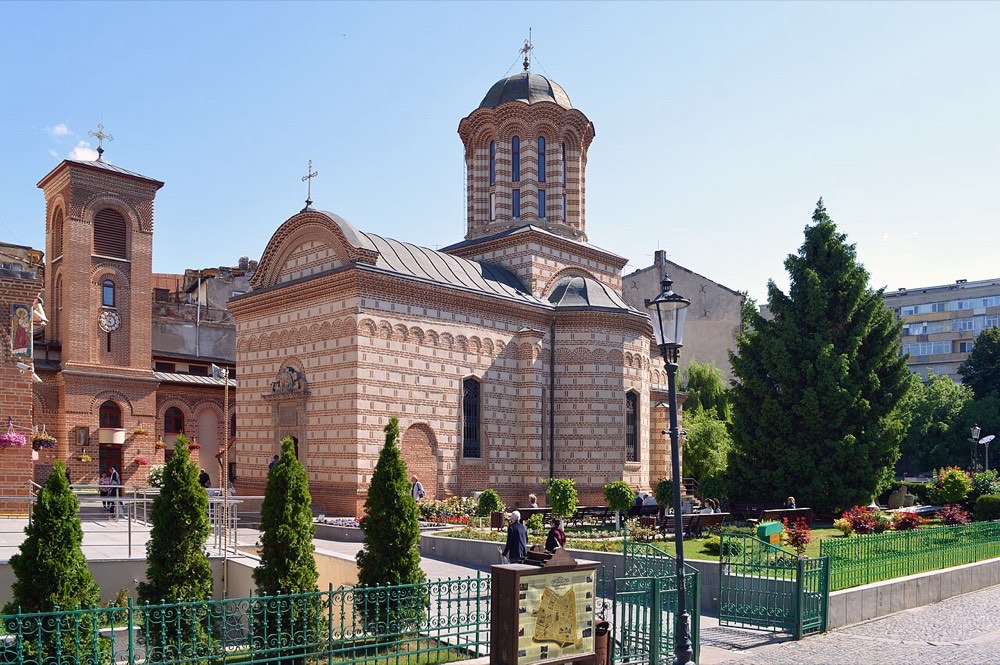
A lesser-known detail: on 20 September 1459, Vlad signed a charter at the fortress of Bucharest, the oldest surviving document that mentions the city. The fortress on the Dambovita river, where the Old Princely Court stands today, was strengthened during his reign and over time became the second princely residence, and later the capital of the country.
The war with Mehmed the Conqueror
In 1461 Vlad refused to keep paying the tribute or to present himself to the sultan. In the winter of 1461–1462 he crossed the Danube and attacked the Ottoman fortresses on the Bulgarian bank. In a letter to the King of Hungary, Matthias Corvinus, he himself listed, place by place, more than 23,000 people killed.
The answer came in the spring of 1462. Sultan Mehmed II, the conqueror of Constantinople, crossed the Danube at the head of one of the largest Ottoman armies ever sent north of the river. Vlad had far fewer men, so he chose a war of harassment: he burned the crops, poisoned the wells and struck the Ottoman columns from the forests, leaving a wasteland behind him.
The Night Attack at Targoviste
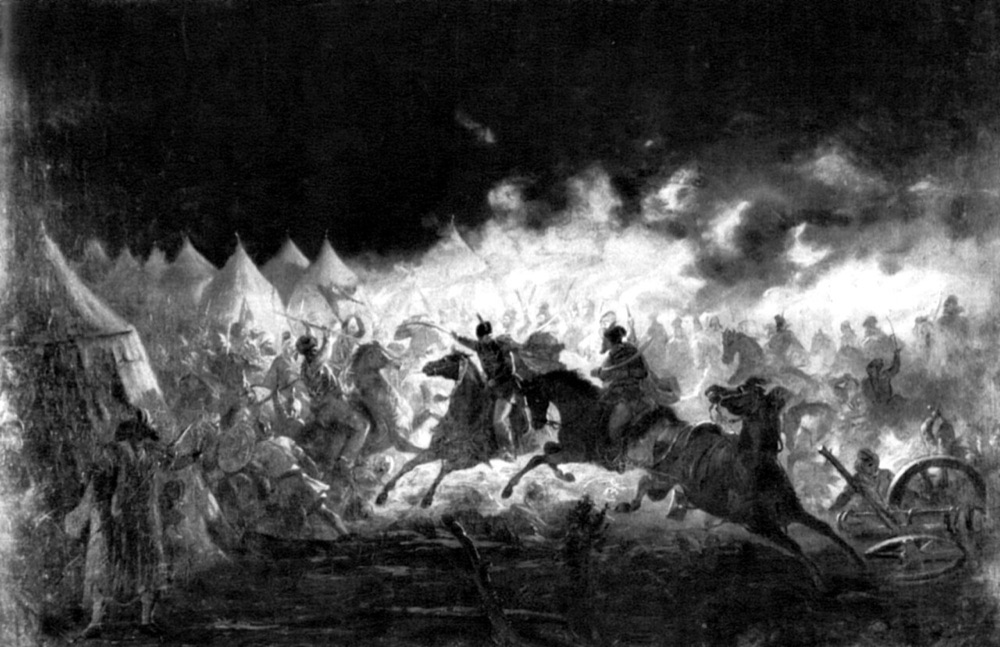
On the night of 16 to 17 June 1462, Vlad did what made him a hero in Romanian memory: he rode into the Ottoman camp near Targoviste with his cavalry, intending to kill the sultan in his tent. His soldiers set fire to the tents and sounded their trumpets, and the camp fell into panic. The sultan survived, because the attackers struck the wrong tent, but Ottoman losses were heavy and the army's morale was badly shaken.
The scene was painted in the 19th century by Theodor Aman, in "Battle with Torches", one of the best-known images of Vlad the Impaler.
The forest of the impaled
When the Ottoman army reached Targoviste, it found the capital empty and, according to the Byzantine chronicler Laonikos Chalkokondyles, a terrible sight: a wide field of stakes with thousands of Turkish prisoners. The chronicler speaks of about 20,000 people, a figure probably exaggerated, but the image stayed: even the sultan is said to have remarked that he could not conquer the land of a man capable of such a thing. Soon after, Mehmed withdrew towards the Danube.
The fall and twelve years in captivity
The war was not won on the battlefield but behind the scenes. The Ottomans backed Vlad's brother, Radu the Handsome, and more and more boyars went over to his side. In the autumn of 1462 Vlad had to withdraw to Transylvania to ask for help from King Matthias Corvinus, the son of John Hunyadi.
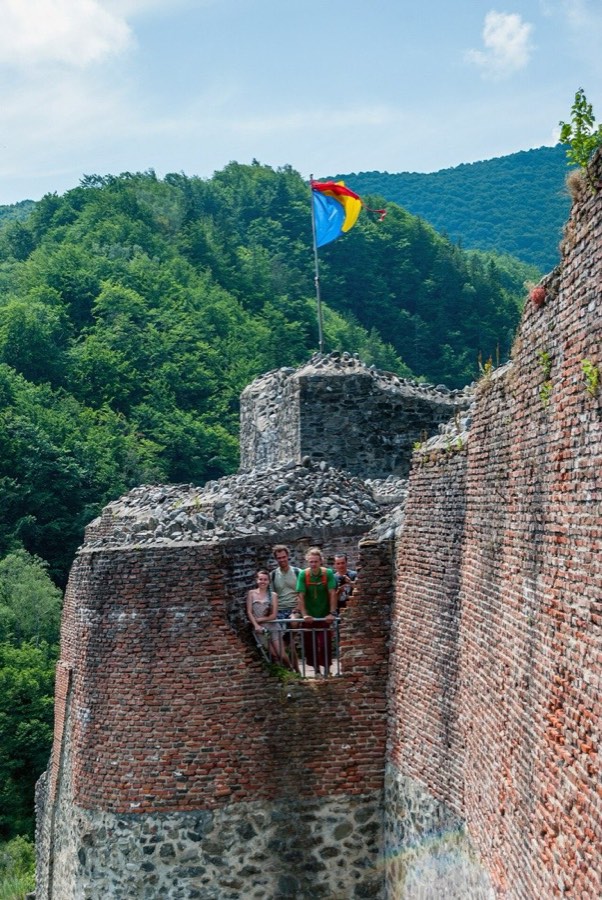
Tradition links this retreat to Poenari Fortress, perched on a rock above the Arges river, at the start of today's Transfagarasan road. Legend says that Vlad's wife, surrounded by the Turks, threw herself from the tower into the river rather than be captured, and that the river has since been called Raul Doamnei, "the Lady's River". It is a beautiful legend, not a documented fact: the river probably had that name before.
Instead of helping him, Matthias Corvinus had him arrested, using letters in which Vlad seemed to offer submission to the sultan and which were most likely forged. Vlad was held captive, mainly at Visegrad, from 1463 to 1475. During this time he grew close to the royal family: he married Jusztina Szilagyi, a relative of the king, and converted to Catholicism.
The German pamphlets: the first horror "bestseller"
While Vlad was in prison, stories about his cruelty spread across Europe. The Saxon merchants of Brasov and Sibiu, whom Vlad had punished harshly, and the court of Matthias Corvinus, which needed to justify his arrest, both had every interest in making his image as dark as possible.
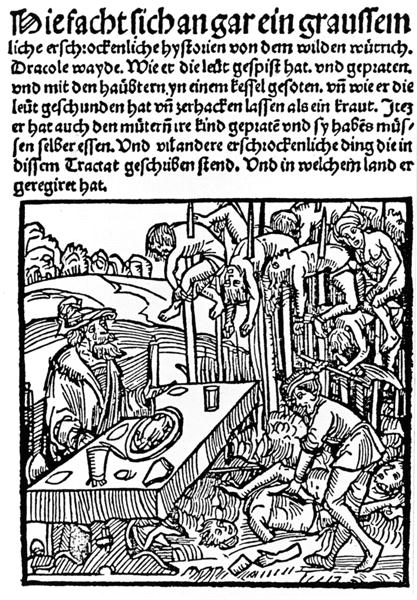
After the invention of printing, these stories became some of the first successful printed pamphlets in Europe. Pamphlets printed in Nuremberg, Strasbourg and Augsburg, with titles such as "The story of a great tyrant called Dracula voivode", had woodcuts on their covers showing Vlad dining among the stakes, and sold in many editions.
At the same time, at the court of the Grand Prince of Moscow, a Slavonic tale about "Dracula voivode" circulated that was much more nuanced: there too he is a cruel ruler, but also a just one, who punishes harshly in order to keep order.
From this period also comes the portrait of Vlad kept at Ambras Castle in Austria, painted in the 16th century after a lost original. It is his best-known image: large eyes, a long moustache, a cap adorned with pearls.

The third reign and death (1476)
In 1475, at the request of Stephen the Great, Prince of Moldavia, Vlad was released and went back to war with the Ottomans. In November 1476, with the help of Stephen and troops from Transylvania, he took the throne of Wallachia for the third time.
The reign lasted only a few weeks. At the end of December 1476 or the beginning of January 1477, Vlad was killed in a battle or an ambush near Bucharest, in circumstances that are still unclear today. According to sources of the time, his head was sent to Constantinople as proof of the death of the sultan's most feared enemy.
Where is Dracula buried?
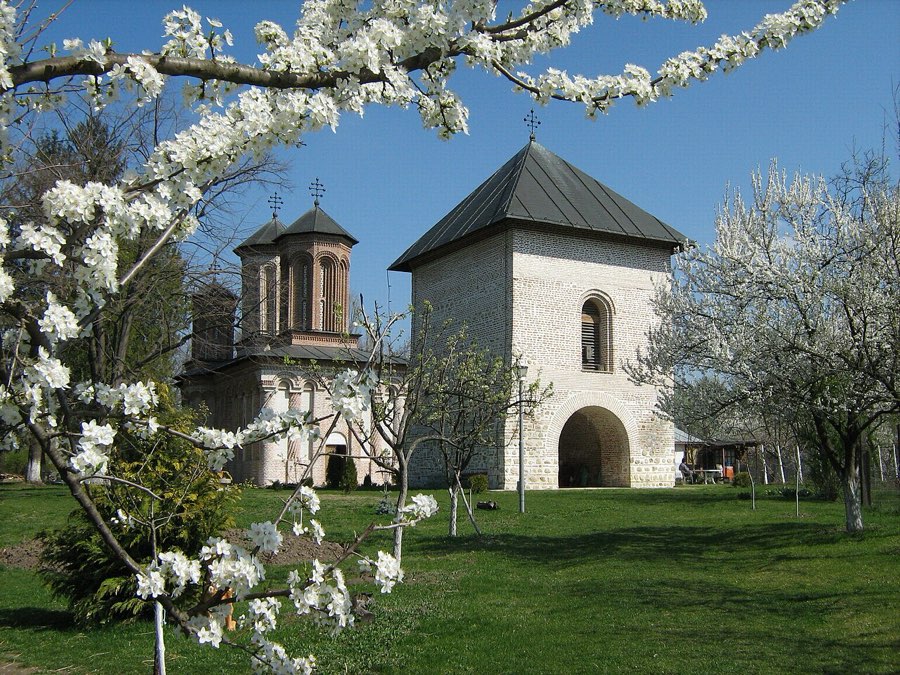
No one knows for sure. The best-known tradition says his body was taken to Snagov Monastery, on an island in the lake near Bucharest. Excavations there in the 1930s, however, did not find his grave. Other historians think he was buried at Comana Monastery, which he founded himself and near which he is believed to have died. The mystery of the grave has, of course, fed the vampire legend too.
How Vlad the Impaler became a romantic hero
In Romania, Vlad's image was very different from that of the German pamphlets. In the 19th century, Romanian historians and writers rediscovered him as a just ruler, harsh but honest, who fought for his country's independence and against theft and corrupt boyars.
The painter Theodor Aman devoted several paintings to him, and the national poet Mihai Eminescu, in his poem "Third Letter", calls on him to come back and bring order to the country. For many Romanians, Vlad the Impaler remains to this day a symbol of a leader unbending towards those who steal and betray.
1897: how Dracula became a vampire
The step from Wallachian prince to vampire was taken by the Irish writer Bram Stoker. While working on a novel about a vampire count, Stoker came across, in the library of the English town of Whitby, a book about Wallachia and Moldavia by the British diplomat William Wilkinson. There he found the name Dracula and the explanation that in the Wallachian language it meant "devil". He noted the idea and changed his character's name.
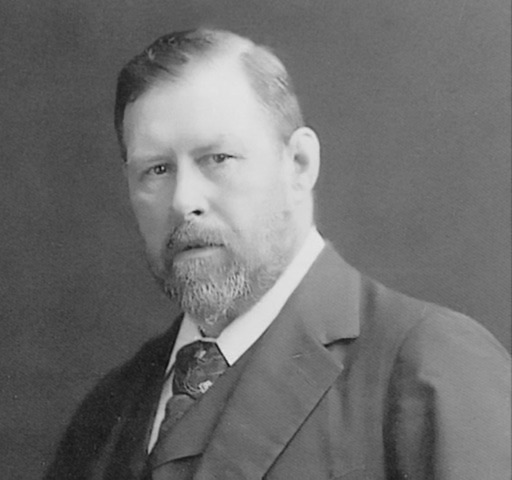
"Dracula" was published in London in 1897. Stoker never visited Romania: the Transylvania of the book is built from travel guides, maps and accounts of local superstitions. His character borrows from Vlad the Impaler only the name and a few vague details about a nobleman who had fought the Turks; otherwise, Count Dracula is a literary creation.

The success of the novel and then of the films, from "Nosferatu" (1922) and "Dracula" with Bela Lugosi (1931) to the hundreds of adaptations made since, turned Dracula into the best-known horror character in the world and, with him, put Transylvania on the travellers' map.
Myth and reality: frequently asked questions
- Was Vlad the Impaler a vampire? No. That is a creation of 19th-century literature. Romanian folklore has strigoi and moroi, but they were never linked to Vlad the Impaler.
- Was Bran Castle Dracula's castle? No. Bran was a customs post of the people of Brasov, and its link with Vlad is at most a passage through the area. Its fame as "Dracula's Castle" comes from its resemblance to the castle Stoker described. Details in our Bran Castle guide.
- Was he imprisoned at Corvin Castle? Local tradition says so, but the documents show he was held mainly at Visegrad, in Hungary.
- Why is he called the Impaler? After the punishment he used most often. The name appeared after his death.
- Was Vlad the Impaler Transylvanian? According to tradition he was born in Sighisoara, in Transylvania, but he ruled Wallachia, south of the Carpathians.
In Dracula's footsteps in Romania
If you want to see the places linked to the real history of Vlad the Impaler, here is a possible route:
- Sighisoara: the House of Vlad Dracul and the medieval citadel, where tradition says he was born.
- Targoviste: the Princely Court and the Chindia Tower, his capital.
- Bucharest: the Old Princely Court, where the first document mentioning the city was signed in 1459.
- Poenari Fortress: the fortress on the rock at the start of the Transfagarasan road; you climb about 1,480 steps.
- Snagov: the monastery on the island where tradition says he was buried.
- Bran: not his castle, but the best-known place of the legend; see also the top 20 most beautiful castles in Romania.
And soon, right next to Bucharest, the legend will have a theme park too: Dracula Land, being built in Gherghita, Prahova County. Find out what Dracula Land is and what is being built there.
Where to stay
Gherghita is a good base for part of this route: Snagov Monastery is about 25 km away, old Bucharest about an hour's drive, and Targoviste about 80 km, roughly an hour and a half. Choose accommodation near Dracula Land and follow Dracula's trail, from history to legend.
Keep reading
More articles

Ialomita Cave (Ialomicioara): the legend, the monastery and how to get there
Ialomita Cave in the Bucegi, with the monastery at its entrance: a short history, local legends, what you see inside and how to get there from Dracula Land, about 127 km away.

Omu Peak, the roof of the Bucegi: trails and tips from Dracula Land
Omu Peak, the highest point of the Bucegi: a short history of the hut on the ridge, the routes up, safety tips and how to get there from Gherghita.