Attractions · 25.10.2026 · 7 min read
Sighisoara: what to see in the medieval citadel and how to get there
A complete guide to Sighisoara, one of the few inhabited medieval citadels in Europe: the Clock Tower, the guild towers, the Scholars' Stairs, the Church on the Hill, the House of Vlad Dracul, what else to see nearby and how to get there from Dracula Land.
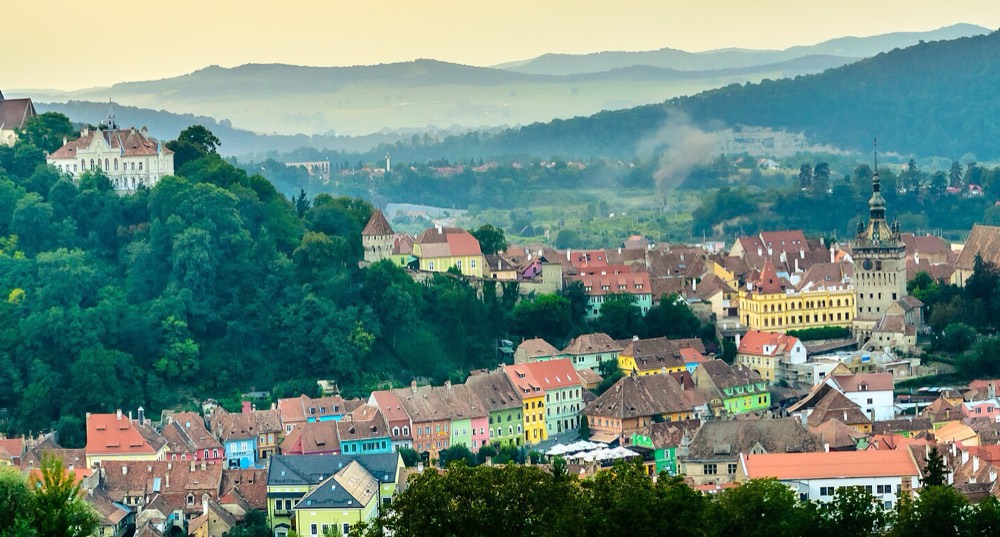
Sighisoara is one of the most beautiful medieval citadels in Europe and one of the few that are still lived in. People still live along the cobbled streets of the citadel, in colourful thick-walled houses, among towers built several hundred years ago. The historic centre has been a UNESCO World Heritage Site since 1999, and for many foreign travellers it is also the place where, according to tradition, Vlad the Impaler was born, the prince who inspired the legend of Dracula.
Below you will find everything worth seeing, a short history of the citadel and the route from Dracula Land, in Gherghita, Prahova County.
In short
- Where: Mures County, in the heart of Transylvania, on the Tarnava Mare river.
- From Gherghita: about 263 km, roughly four and a half to five hours by car, via Brasov.
- How long you need: one day for the citadel; two if you also want the Saxon villages nearby.
- Don't miss: the Clock Tower, the Scholars' Stairs and the Church on the Hill.
- When: spring and autumn are the quietest; the medieval festival takes place in summer.
A short history
Sighisoara was founded by the Transylvanian Saxons, German settlers brought to Transylvania in the 12th and 13th centuries. The settlement, which they called Schassburg, appears in documents in the 13th century and quickly grew into a rich town run by guilds, the associations of craftsmen.
Because the town lay in the path of invasions, the Saxons surrounded the hill with walls and defensive towers. Each tower was defended and maintained by one guild, from blacksmiths and tailors to butchers and ropemakers. That is how the citadel you see today was born, on top of the hill above the lower town.
The Clock Tower
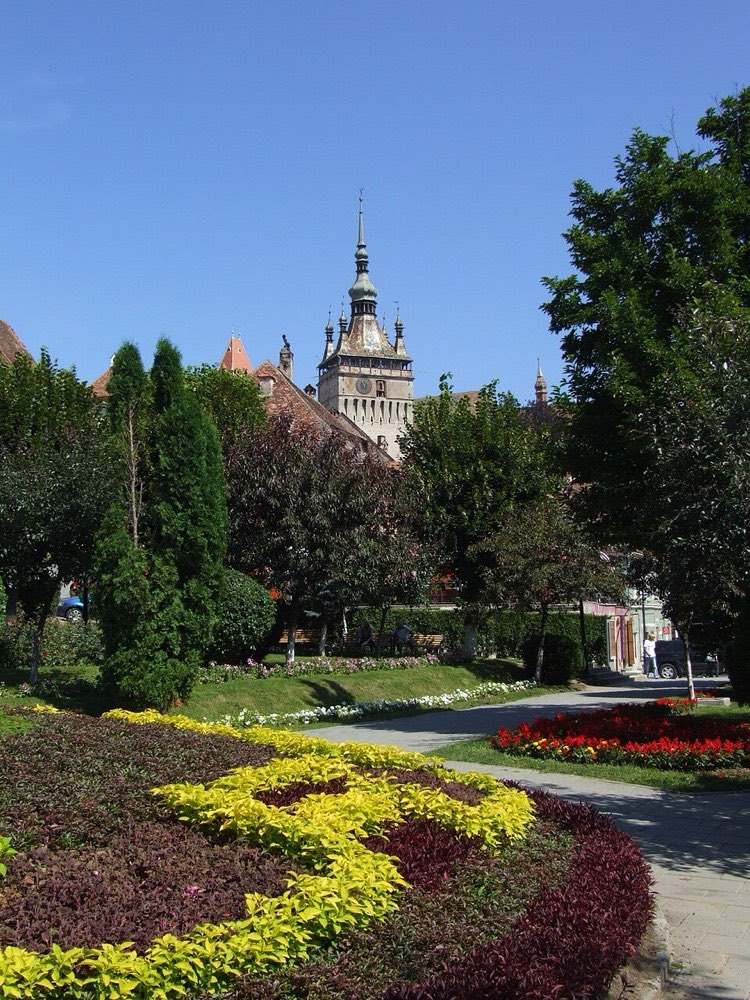
The symbol of Sighisoara is the Clock Tower, the main gate into the citadel, built in the 14th century and rebuilt several times. It is about 64 metres tall and has a clock with wooden figurines that change every day: one for each day of the week on the side facing the town, and the figures of Peace, Justice and Judgement on the side facing the citadel.
The tower houses the town's History Museum, and the wooden gallery on the top floor gives you the best view over the roofs of the citadel and the lower town.
The guild towers
The citadel once had 14 defensive towers, linked by a wall almost a kilometre long. Nine survive today, each named after the guild that defended it:
- the Clock Tower, the main tower;
- the Tailors' Tower, the second gate into the citadel;
- the Shoemakers' Tower, with its pointed roof;
- the Blacksmiths' Tower, next to the Monastery Church;
- the Ropemakers' Tower, next to the Church on the Hill;
- the Butchers', Furriers', Tanners' and Tinsmiths' Towers, along the walls.
A walk around the walls, past each tower, takes about an hour and is the best way to understand how the citadel was defended.
The Scholars' Stairs and the Church on the Hill
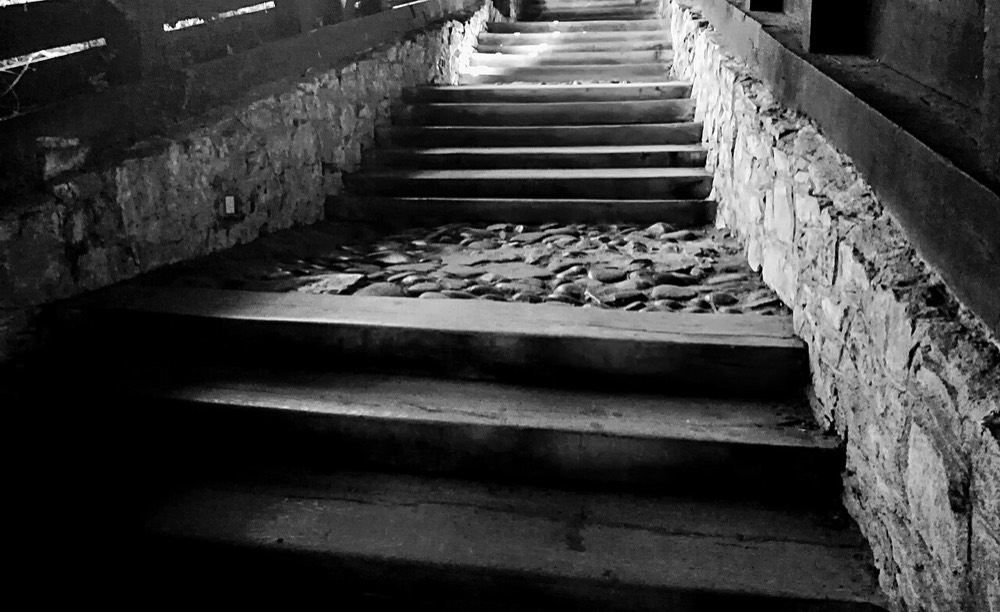
From the Citadel Square, a covered wooden staircase built in 1642 climbs the school hill. It has more than 170 steps and was built so that pupils and churchgoers could reach the school and the church without slipping on the steep slope in winter. Ever since, it has been called the Scholars' Stairs.
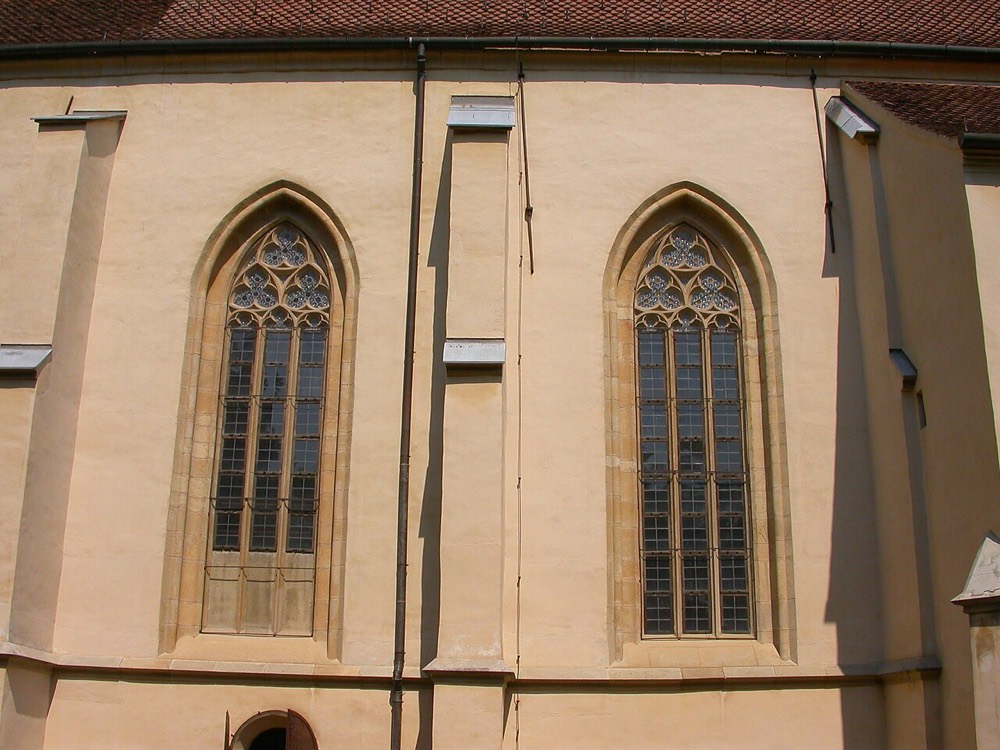
At the top, on the highest point of the hill, stands the Church on the Hill, a Gothic Lutheran church built in the 14th and 15th centuries, with old frescoes inside and a crypt. Next to it lies the Saxon cemetery, with old graves among the trees, one of the most peaceful places in Sighisoara.
The House of Vlad Dracul
On the Citadel Square, next to the Clock Tower, stands the house where Vlad Dracul, the father of Vlad the Impaler, lived from 1431 to 1435. Tradition says the future Prince of Wallachia was born here around 1431. A marble plaque on the facade still recalls those years, and the ground floor is now a restaurant.
For the full story of Vlad the Impaler, from the name Dracula to the Night Attack and his captivity in Hungary, read the history of Dracula.
What else to see in the citadel
- The Citadel Square, the heart of the citadel, with colourful houses and cafes.
- The House with the Stag, a 17th-century house with a stag's head on its corner.
- The Monastery Church, next to the Clock Tower, once the church of a Dominican monastery.
- The Museum of Medieval Weapons and the Torture Room, near the Clock Tower.
- School Street and the little streets around it, the prettiest corner for photos.
The Medieval Sighisoara festival
Every summer, usually at the end of July, the citadel hosts the Medieval Sighisoara festival, with knights in armour, early music, craftspeople and street performances. It is the liveliest time of the year, but also the busiest, so book accommodation early and check the exact dates on the organisers' website.
What to see around Sighisoara
The surrounding area is full of Saxon villages with fortified churches, some of them also UNESCO-listed:
- Biertan, with one of the largest fortified churches in Transylvania;
- Saschiz and Viscri, villages where time seems to have stopped;
- Bethlen Castle in Cris, a Renaissance castle very close by, which we cover in the top 20 most beautiful castles in Romania.
If you want to sleep in a tent, the village of Saes, a few kilometres from Sighisoara, has one of the best-rated campsites in the country; see the top 20 camping spots in Romania.
How to get there from Dracula Land
Sighisoara is about 263 km from Gherghita, roughly four and a half to five hours by car:
- take the A3 motorway towards Ploiesti, then the DN1 through the Prahova Valley to Brasov;
- from Brasov, continue on the DN13 (E60) towards Rupea and Sighisoara.
The Prahova Valley road is busy on Friday afternoons and Sunday evenings, so leave early. On the way you can stop at Peles Castle in Sinaia or Cantacuzino Castle in Busteni. In Sighisoara, leave the car in the car parks at the foot of the hill: car access to the citadel is restricted.
Practical tips
- Comfortable shoes. The citadel's streets are cobbled and steep.
- Come in the morning or the evening. At midday the citadel is full of tour groups; early morning and sunset are the most beautiful.
- Climb the Clock Tower. The view from the top is worth the few dozen steps.
- Check museum opening hours. They change between summer and winter.
Where to stay
For a day trip to Sighisoara, with a stop in the Prahova Valley or in Brasov, you can leave Gherghita in the morning and be back in the evening. If you also want to see Bucharest, the Prahova Valley and the Dealu Mare wine region, choose accommodation near Dracula Land, close to the A3 motorway, and take a different route each day.
Keep reading
More articles

Ialomita Cave (Ialomicioara): the legend, the monastery and how to get there
Ialomita Cave in the Bucegi, with the monastery at its entrance: a short history, local legends, what you see inside and how to get there from Dracula Land, about 127 km away.

Omu Peak, the roof of the Bucegi: trails and tips from Dracula Land
Omu Peak, the highest point of the Bucegi: a short history of the hut on the ridge, the routes up, safety tips and how to get there from Gherghita.